
Australia's love for beef is well-known. From barbecues on the beach to fine dining in the cities, steak is a cherished part of the national cuisine. But not all steaks are created equal. Different cuts have distinct flavors, textures, and cooking methods. Let's dive into the world of Australian steak cuts and explore the best ways to enjoy them.
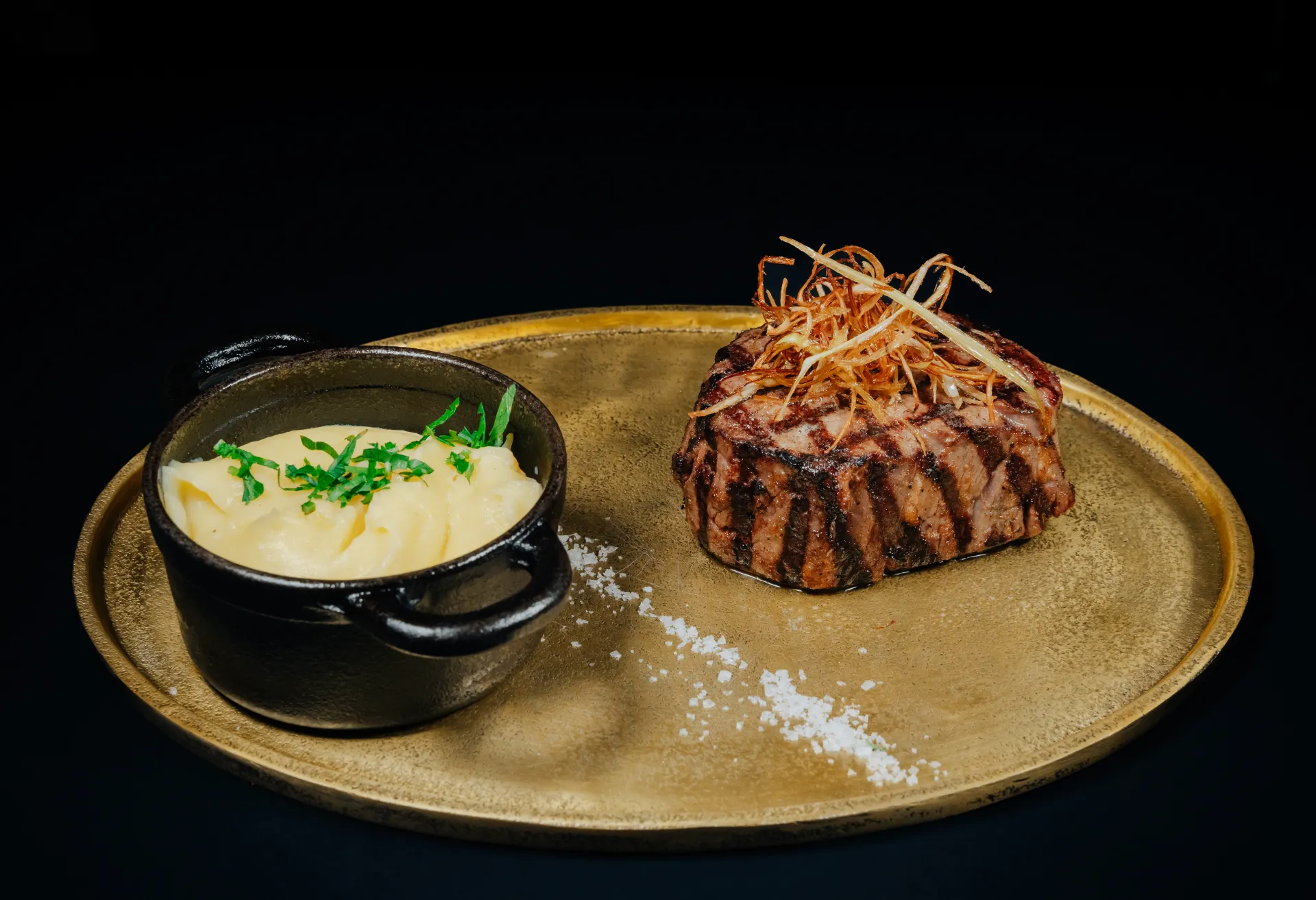
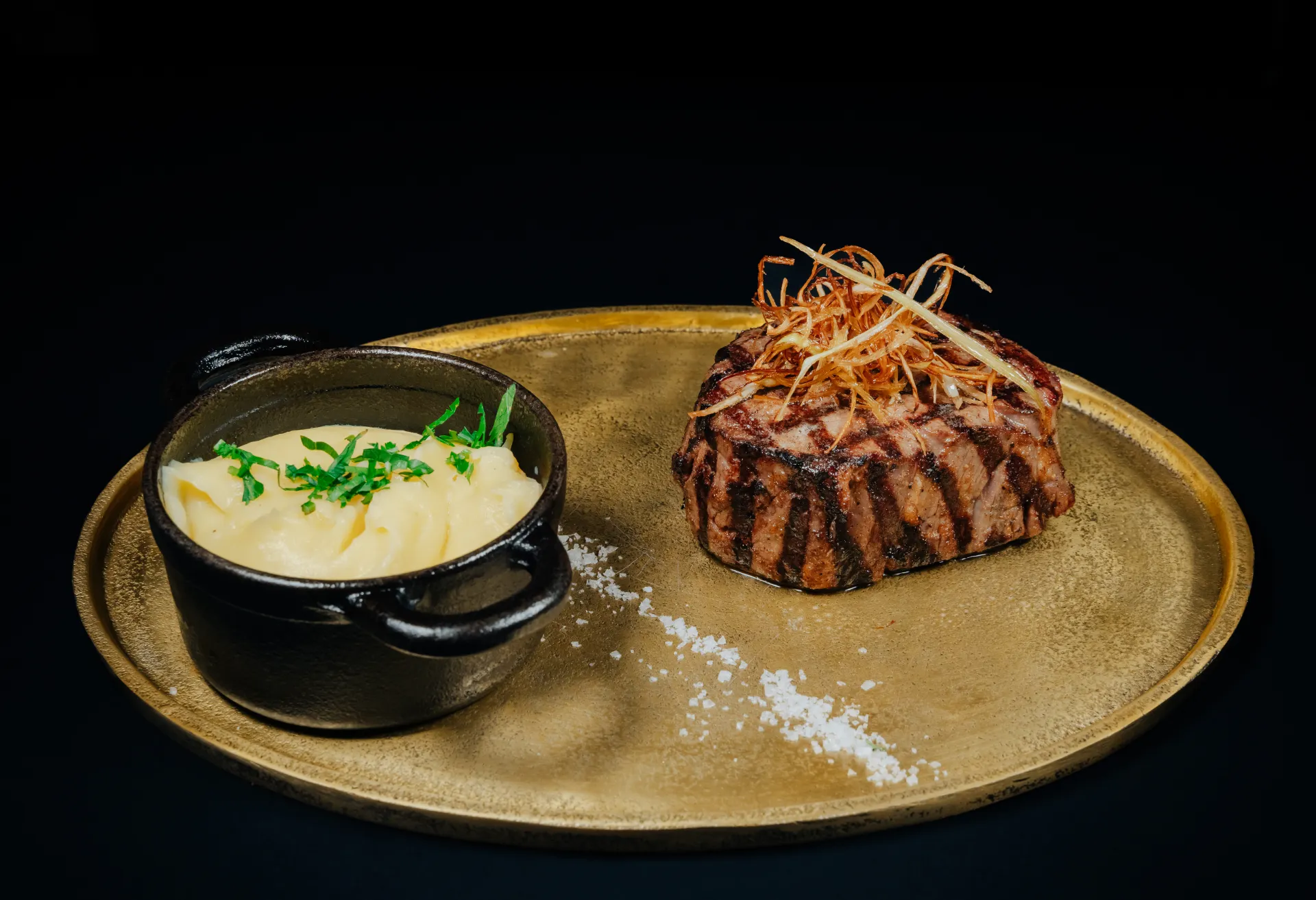
Eye Fillet Steak
Starting off with the crème de la crème of steak cuts, the eye fillet, also known as fillet or filet, is cut from the tenderloin – a long muscle located along the spine. It's renowned for its tenderness and fine texture. Being a lean cut with little fat marbling, it may lack some of the robust flavour found in fattier cuts. However, its melt-in-your-mouth texture more than makes up for it. This cut shines when it's quickly cooked over high heat, typically by grilling or pan-searing.
Scotch Fillet Steak
Scotch fillet, known as ribeye in other parts of the world, is cut from the rib section. It's celebrated for its rich, full flavour, a result of the extensive marbling throughout the cut. This fat renders down during cooking, creating a juicy, flavour-packed steak. Scotch fillet is versatile and can be cooked using a variety of methods, including grilling, broiling, and pan-searing.
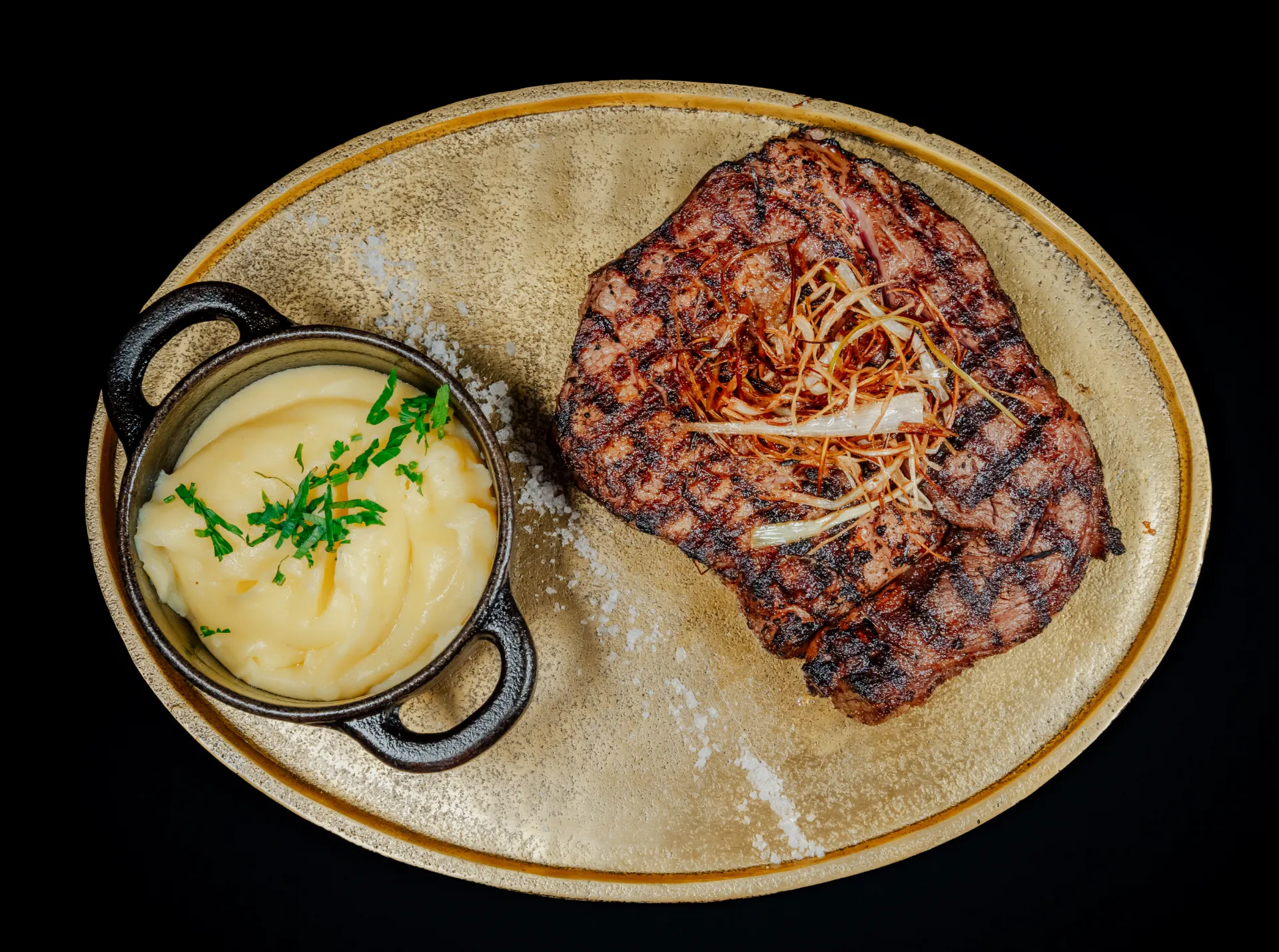
Sirloin (Porterhouse) Steak
Sirloin, often called porterhouse in Australia, is a cut from the short loin located just behind the ribs. It offers a delightful balance of tenderness and flavour. It's leaner than the Scotch fillet but more marbled than the eye fillet, sitting in a sweet spot for those who appreciate both texture and taste. The sirloin is perfect when grilled or broiled.
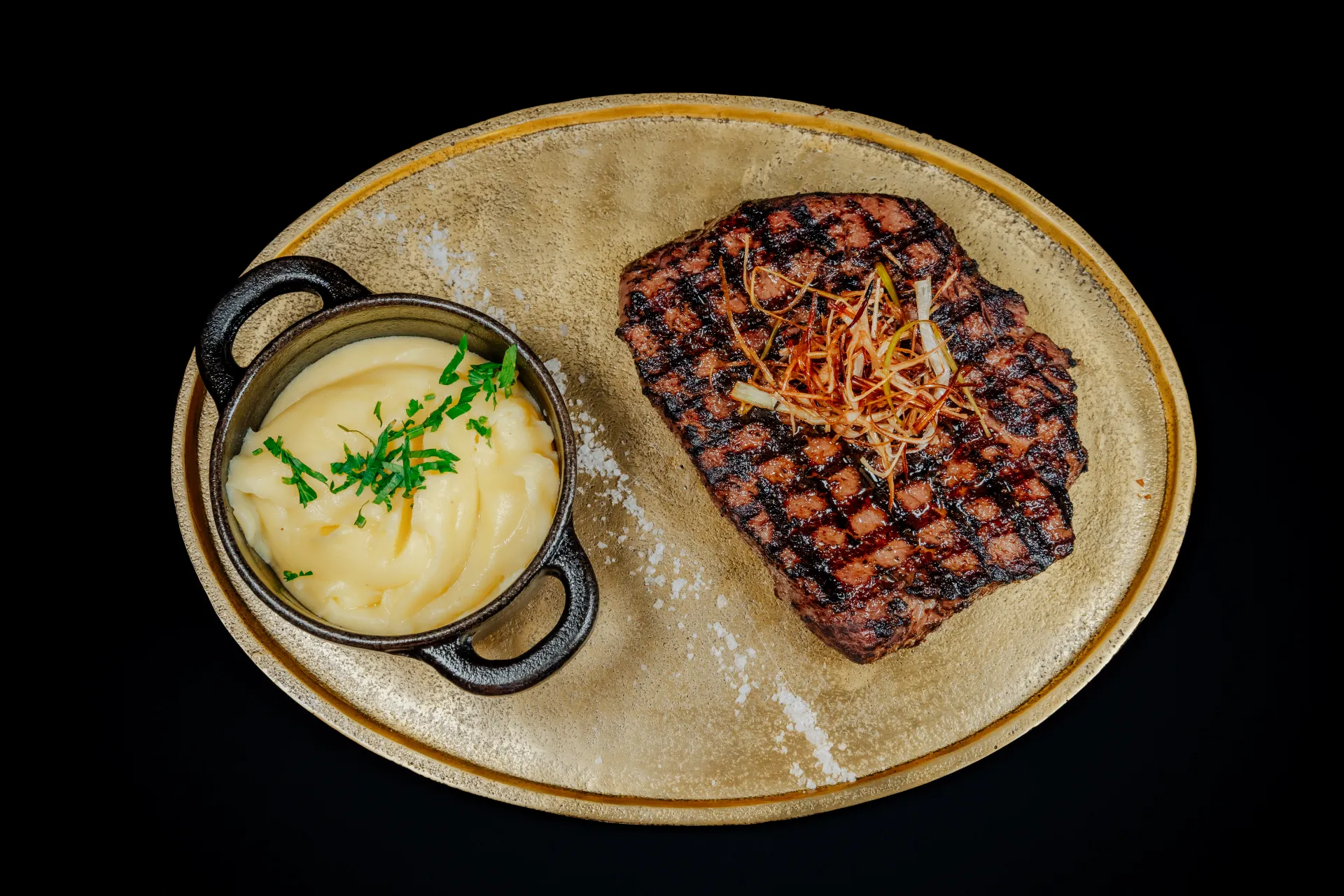
T-Bone Steak
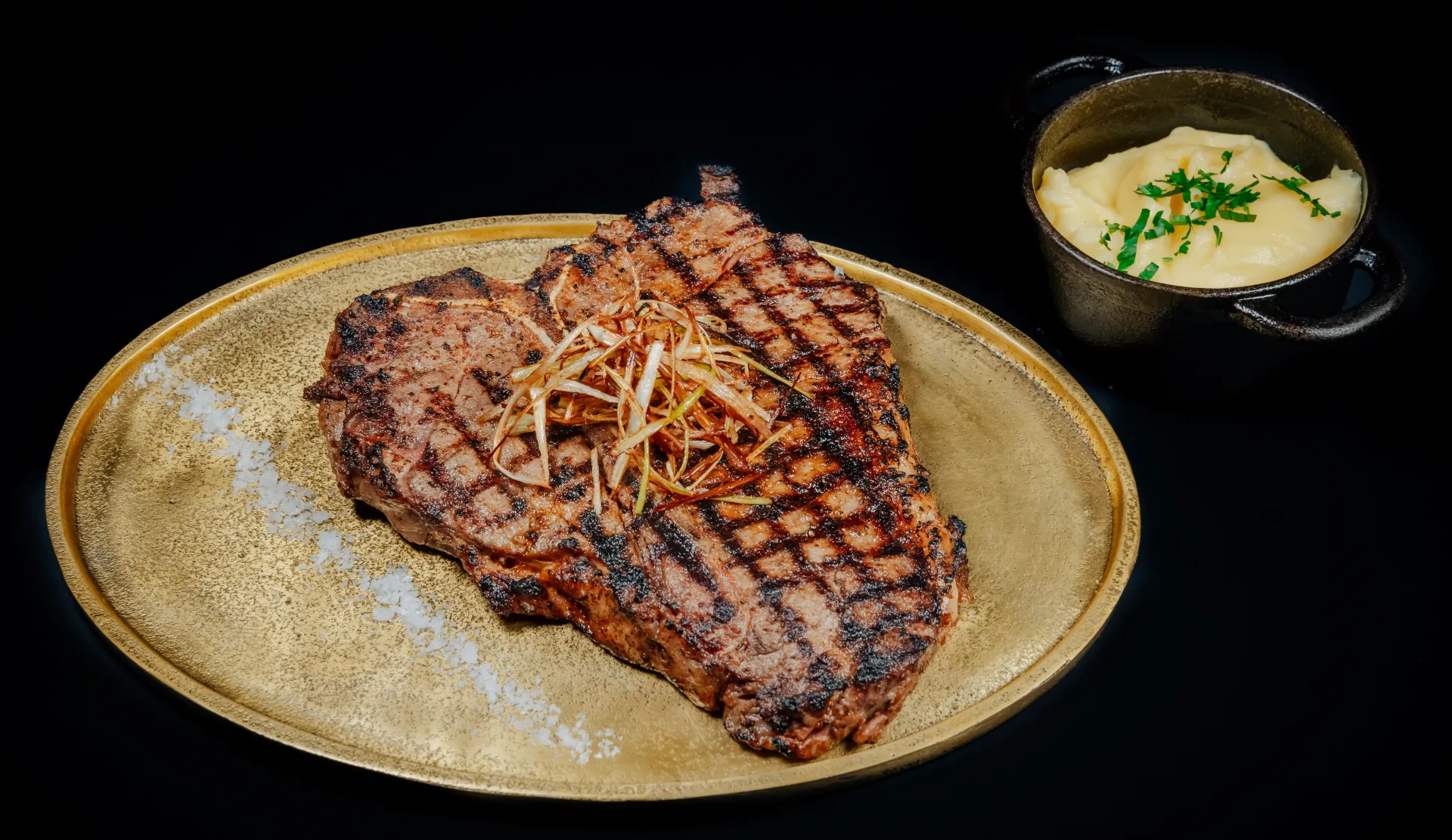
The T-Bone is a two-in-one delight. It features a T-shaped bone with meat on both sides - a piece of eye fillet on one and a piece of sirloin on the other. This cut is for those who want to experience the best of both worlds. Due to the bone, this steak can be a bit tricky to cook evenly, but with the right technique, it's a fantastic treat. Grilling or broiling are the preferred methods of cooking for a T-Bone.
Rump Steak
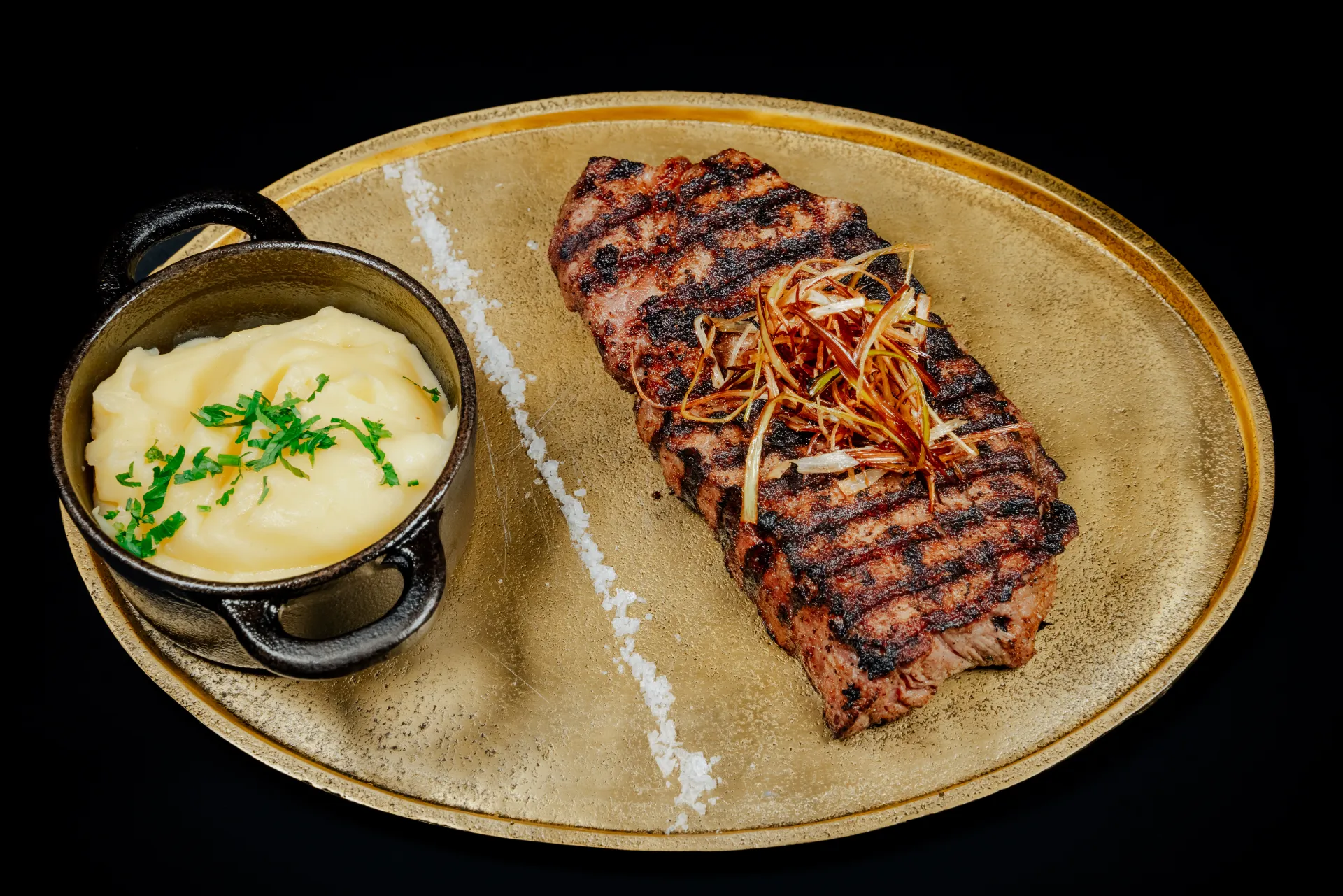
The rump steak comes from the back of the cow, behind the sirloin. It's a larger, leaner cut of meat, with less marbling than cuts like the Scotch fillet or sirloin. Despite this, it's still quite tender and packed with beefy flavour. Rump steaks are a classic choice for Australian barbecues and are versatile enough to be cooked in a number of ways, including grilling, broiling, and pan-frying.
Tomahawk Steak
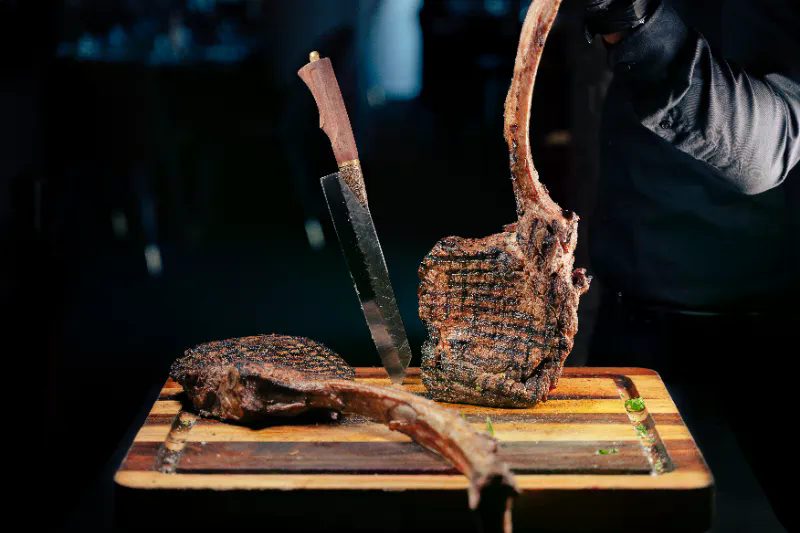
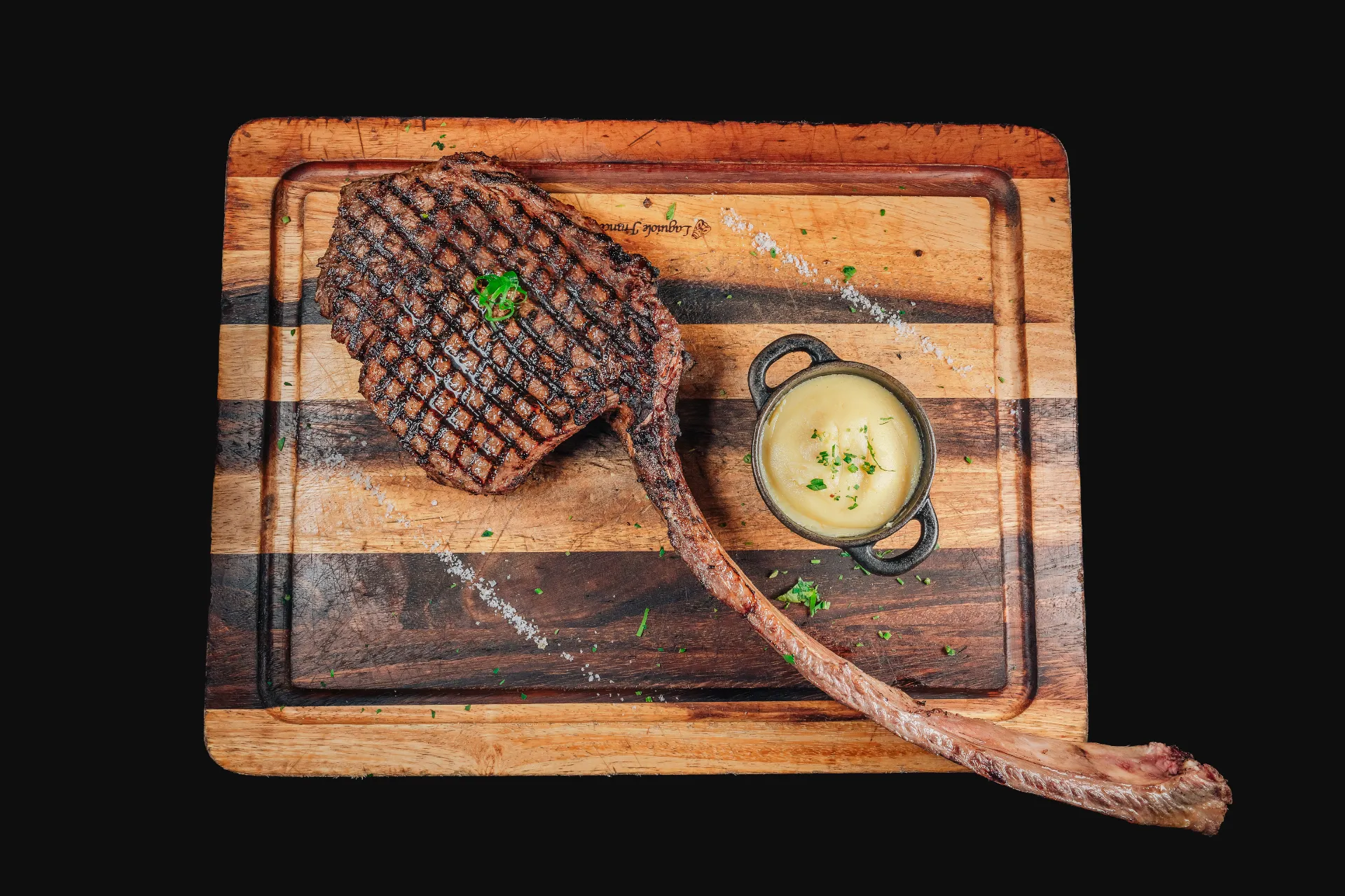
A tomahawk is essentially a bone-in ribeye, named for its distinctive handle that resembles a tomahawk axe. The bone is left long for presentation and it's often a hefty cut, making it a showstopper at any meal. The cooking methods for the tomahawk are the same as for a ribeye, with the added benefit that the bone helps to insulate the meat, keeping it juicy and flavourful.
Wagyu Steak
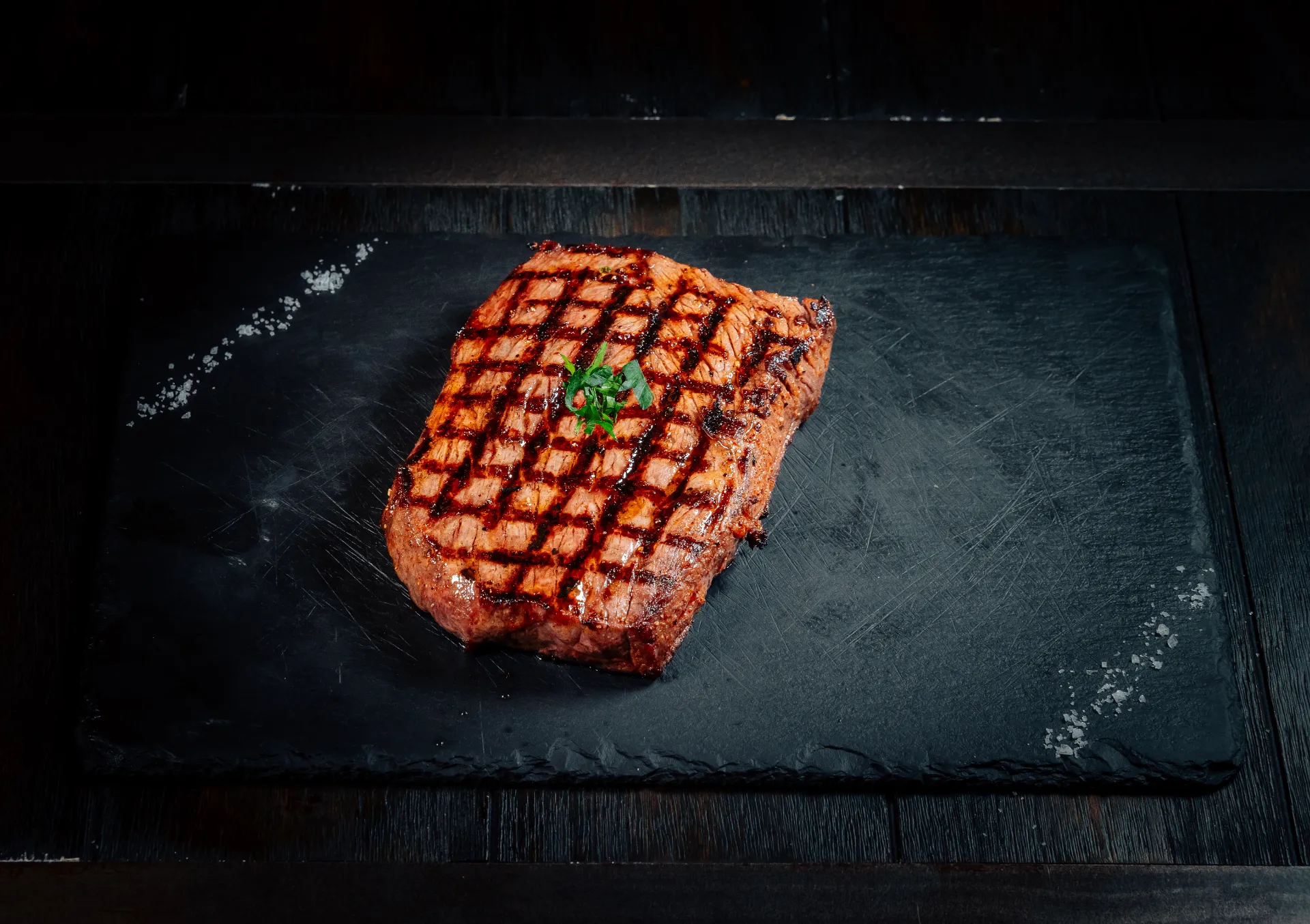
Finally, let's talk about Wagyu. While Wagyu isn't a cut of steak, it's a type of beef that deserves mention. Wagyu, meaning 'Japanese cow,' refers to several breeds of cattle known for their high level of marbling. In Australia, both full-blood and Wagyu-cross cattle are bred, providing a range of marbling scores. The high degree of marbling gives Wagyu beef its unique, rich, and buttery flavour that is prized by gourmands worldwide. It can be cooked as any other steak, but care should be taken not to overcook it, as that can melt away the precious marbling.
So there you have it, a guide to the steak cuts as we know them in Australia. Whether you're firing up the BBQ or pan-searing in your kitchen, a good understanding of these cuts will surely elevate your next steak experience.
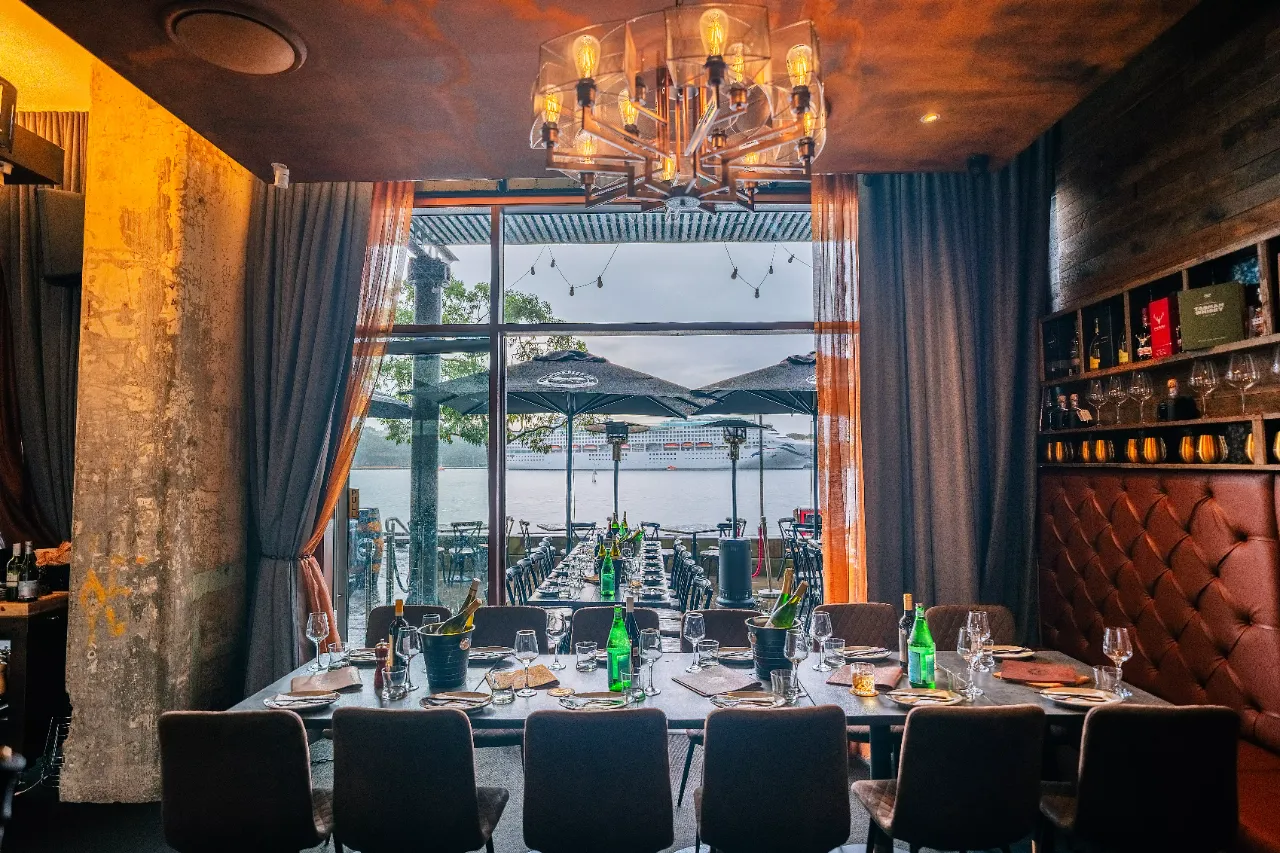
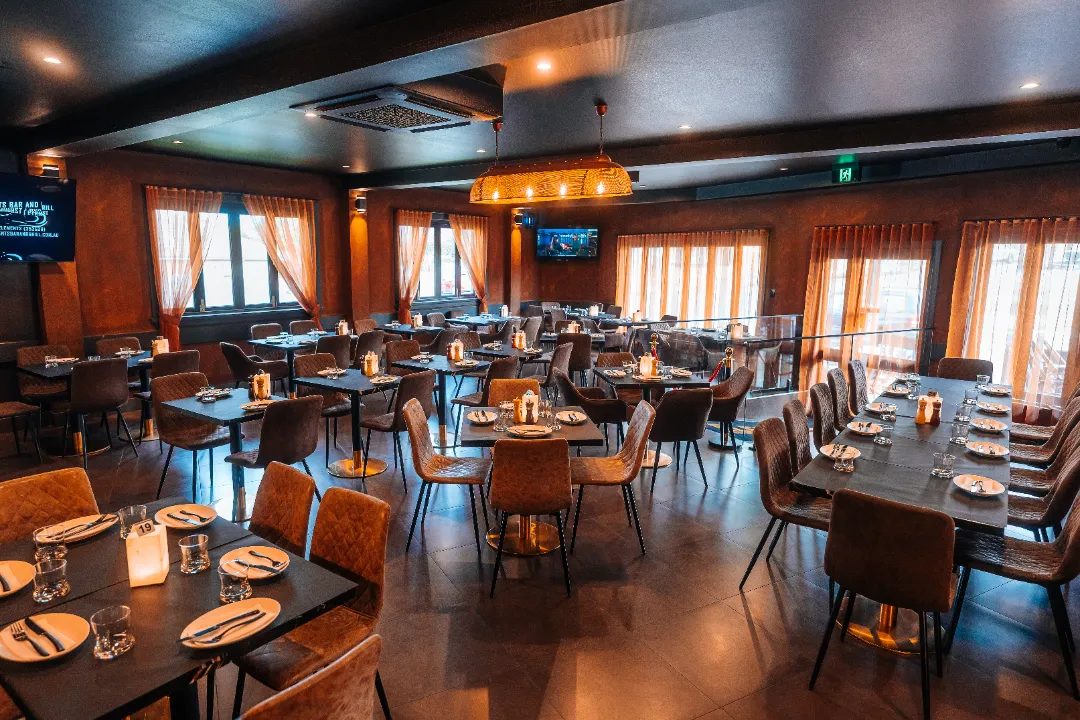
Now you know your tomahawk from your eye fillet, why not treat Mum to the real thing? Our Mother's Day menu features premium cuts from our full a la carte selection, served in a dining room designed for occasions worth celebrating.