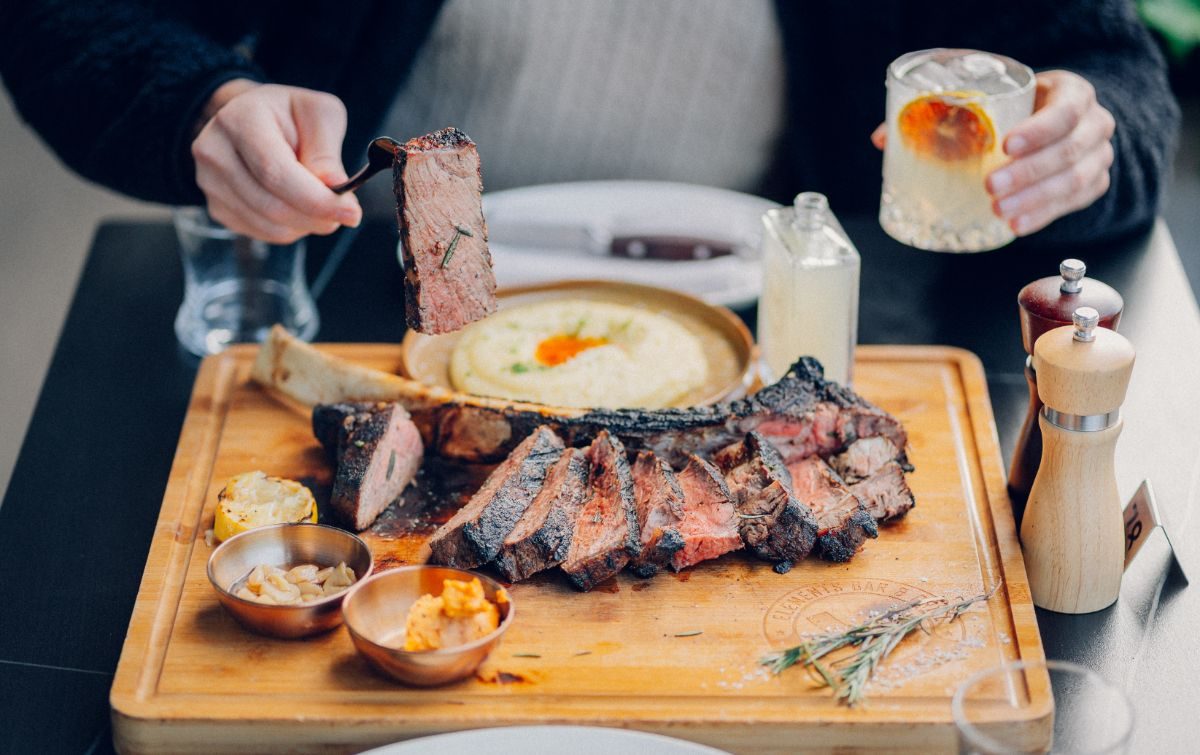

A beautifully cooked beef steak is more than just a meal. It’s an experience. Whether you’re enjoying a luxe steakhouse dinner or planning a weekend BBQ, steak is the centrepiece that impresses. But with so many types of steak available, it’s easy to feel overwhelmed. This guide explains what steak is, the most popular cuts, how to choose the right steak for the job, and why some steaks cost more than others.
What Is a Steak?
At its simplest, a steak is a slice of meat cut from the muscle of a cow, usually sliced across the grain to improve tenderness. While vegetables like mushroom or broccolini are sometimes prepared as “steaks”, this guide focuses on beef steak, the most widely recognised and enjoyed variety.
Where Steak Comes From: Prime Areas on a Cow
Steak cuts typically come from parts of the cow that do little physical work. These muscles produce meat that is tender, flavourful, and often rich in marbling, the intramuscular fat that gives steak its juiciness and depth of flavour.
Ribeye
- What it is: Cut from the rib section between ribs 6 and 12
- Texture and taste: Highly marbled, juicy, and rich in flavour
- Why people love it: The fat melts during cooking, keeping the steak tender
- Best cooked: Medium-rare to medium
New York Strip
- What it is: Cut from the short loin, a low-activity muscle
- Texture and taste: Firm yet tender with a bold beef flavour
- Why people love it: Balanced chew and strong flavour
- Best cooked: Medium-rare to medium
- Also known as: Striploin, Kansas City Strip, sirloin in some regions
Porterhouse
- What it is: A large cut from the rear of the short loin with strip steak and tenderloin separated by a T-shaped bone
- Texture and taste: Tender on one side, rich and bold on the other
- Why people love it: Two steaks in one cut, ideal for sharing
- Best cooked: Grilled or pan-seared to medium-rare or medium
- Also known as: T-bone, though the porterhouse has a larger tenderloin portion
Filet Mignon (Tenderloin)
- What it is: Cut from the tenderloin, a muscle with minimal movement
- Texture and taste: Extremely tender with a mild flavour
- Why people love it: Soft, buttery texture
- Best cooked: Medium-rare to preserve tenderness
- Also known as: Eye fillet in Australia, tenderloin steak
Flank Steak
- What it is: Cut from the abdominal area
- Texture and taste: Lean with a strong grain and robust beef flavour
- Why people love it: Excellent at absorbing marinades
- Best cooked: Fast and hot, then sliced against the grain
- Great for: Fajitas, stir-fries, steak sandwiches
Skirt Steak
- What it is: Cut from the plate section beneath the ribs
- Texture and taste: Thin with intense flavour and a coarse texture
- Why people love it: Big flavour and quick cooking time
- Best cooked: High heat, served medium-rare and sliced thin
- Great for: Tacos, stir-fries, carne asada
Why Are Some Steaks More Expensive?
Steak pricing varies based on several factors.
- Rarity: Some cuts, such as tenderloin, are limited per animal
- Marbling: Higher marbling improves flavour and tenderness
- Beef grading: Premium grades indicate superior texture and fat distribution
- Sourcing and branding: Luxury cuts such as high-grade wagyu are priced accordingly
Tips for Cooking Steak at Home
- Bring steak to room temperature before cooking
- Season simply with salt and pepper
- Use a grill or cast-iron pan to develop a crust
- Allow steak to rest after cooking to retain juices
- Match the cut to the dish, such as flank for tacos or ribeye for a special dinner
Craving the Real Thing?
For a steakhouse experience without the guesswork, visit Elements Bar and Grill. The menu features expertly prepared master cuts including sirloin, scotch fillet, eye fillet, beef short rib, wagyu cuts, and premium wagyu steaks such as MB9 wagyu sirloin.
Cooked with precision and served with premium sides, every steak delivers depth of flavour and quality expected from a top-tier grill house. Whether you favour ribeye-style richness or the tenderness of fillet, there’s a steak waiting for you.